

close_the_loop_mobile

The circular future of workwear​​​​​​​

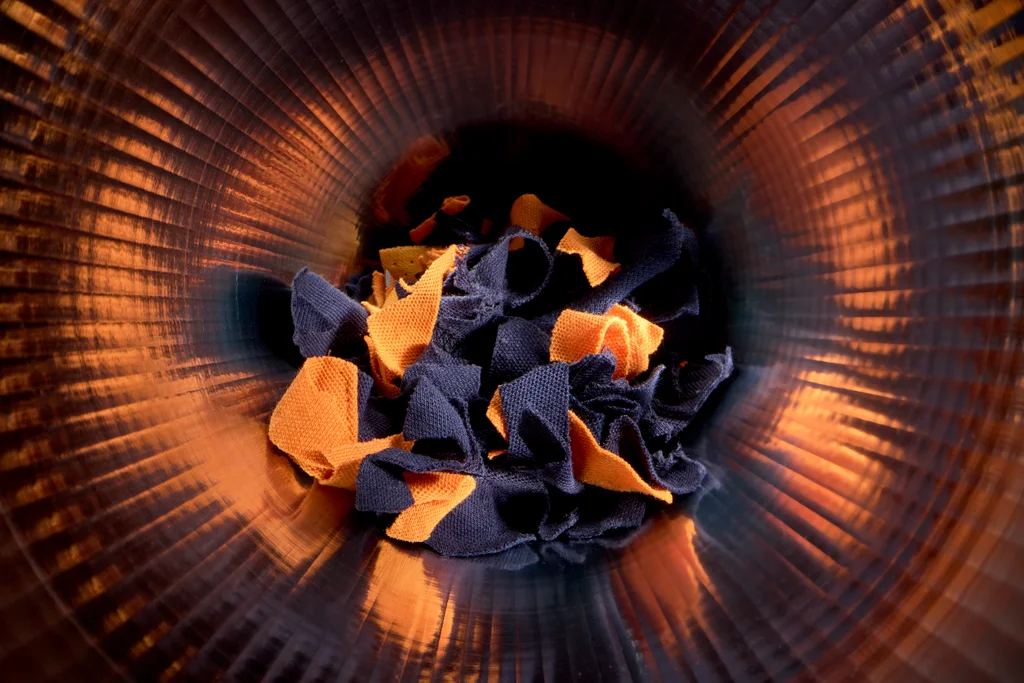
The textile industry is facing a serious challenge: millions of tonnes of clothing end up in landfills or incinerators each year, wasting valuable resources and adding to global emissions. The solution? Switching from a linear to a circular business model, where every garment is used to its full potential and then managed responsibly at the end-of-life. Fristads has been in the vanguard of these efforts for several years and through our Sustainability as a Service  offering, we have developed the infrastructure for both open-loop and closed-loop recycling. Recycling textiles is a complex process, and we know the road ahead won’t be easy. But if we want to reduce waste, cut emissions, and use resources responsibly, we must keep pushing forward. Closing the loop is not just a goal – it’s a necessity.

The circular future of workwear​​​​​​​

The textile industry is facing a serious challenge: millions of tonnes of clothing end up in landfills or incinerators each year, wasting valuable resources and adding to global emissions. The solution? Switching from a linear to a circular business model, where every garment is used to its full potential and then managed responsibly at the end-of-life. Fristads has been in the vanguard of these efforts for several years and through our Sustainability as a Service  offering, we have developed the infrastructure for both open-loop and closed-loop recycling. Recycling textiles is a complex process, and we know the road ahead won’t be easy. But if we want to reduce waste, cut emissions, and use resources responsibly, we must keep pushing forward. Closing the loop is not just a goal – it’s a necessity.​​​​​​​

Closed-loop recycling: turning old garments into new ones​​​​​​​

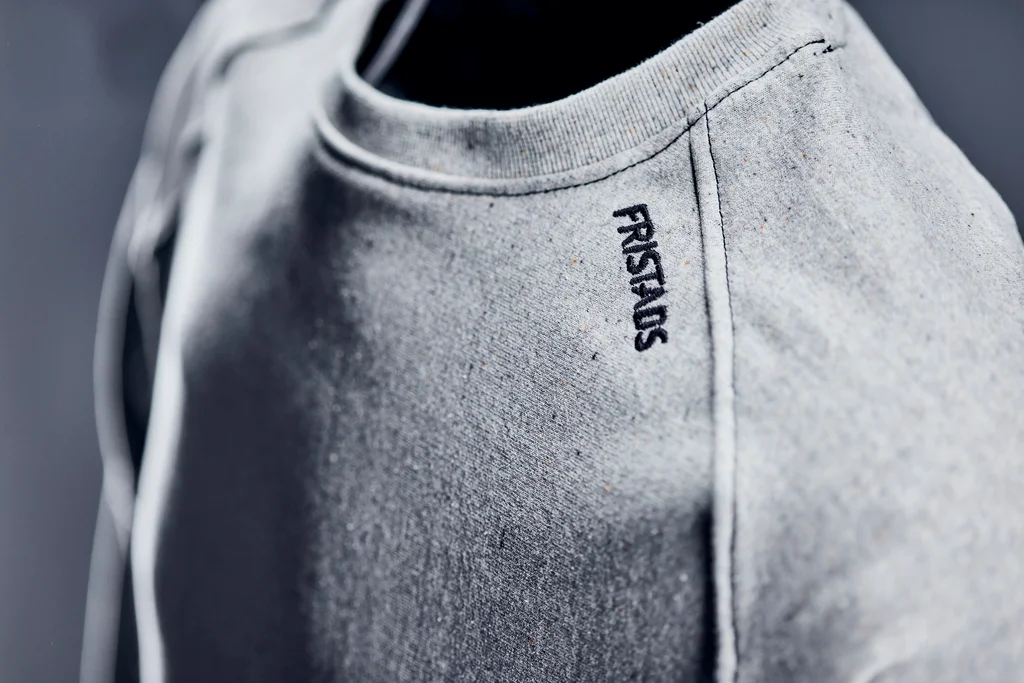
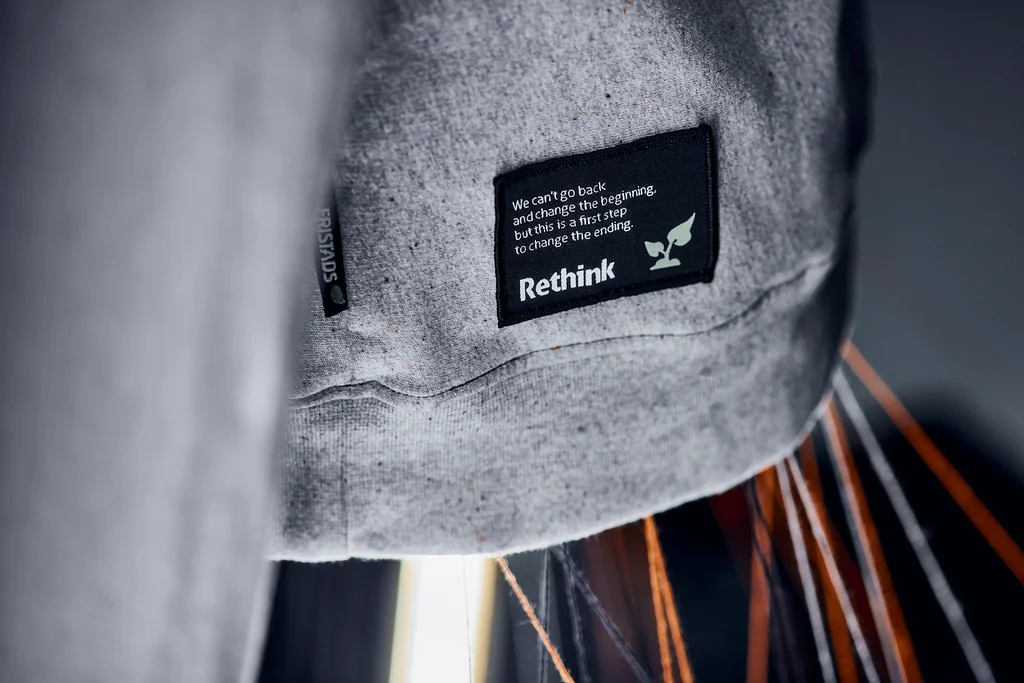
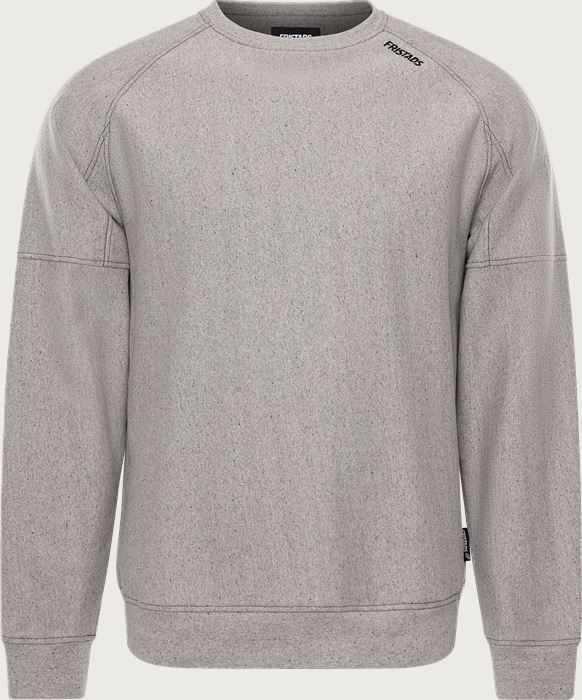
Closed-loop recycling is where we take the boldest step toward circular workwear, transforming discarded garments into new ones. This journey began with a pilot project with our long-term customer PostNL, the largest postal and logistics company in the Netherlands. Together, we collected worn-out polo shirts from PostNL employees, shredded and processed them into circular fibres. After mixing the circular fibres with virgin fibres, we used the material to produce new polo shirts for PostNL, in a closed-loop process. Since then, we have used the material to make garments for other customers as well. In 2024, we made our first closed-loop catalogue product – a sweatshirt made of 15% circular fibres. Our goal is to increase the share of circular material as processes improve. The entire recycling flow is certified by a third-party, guaranteeing full traceability of the recycled content and ensuring the performance of the product. Our circular products are proof that recycled workwear isn’t just a possibility – it’s already happening.

Closed-loop recycling: turning old garments into new ones​​​​​​​

Closed-loop recycling is where we take the boldest step toward circular workwear, transforming discarded garments into new ones. This journey began with a pilot project with our long-term customer PostNL, the largest postal and logistics company in the Netherlands. Together, we collected worn-out polo shirts from PostNL employees, shredded and processed them into circular fibres. After mixing the circular fibres with virgin fibres, we used the material to produce new polo shirts for PostNL, in a closed-loop process. Since then, we have used the material to make garments for other customers as well. In 2024, we made our first closed-loop catalogue product – a sweatshirt made of 15% circular fibres. Our goal is to increase the share of circular material as processes improve. The entire recycling flow is certified by a third-party, guaranteeing full traceability of the recycled content and ensuring the performance of the product. Our circular products are proof that recycled workwear isn’t just a possibility – it’s already happening.​​​​​​​

Dual Products Left Image
Dual Products Mobile Left Image
Dual Products Right Image
Dual Products Mobile Right Image

Mechanical vs. chemical recycling​​​​​​​

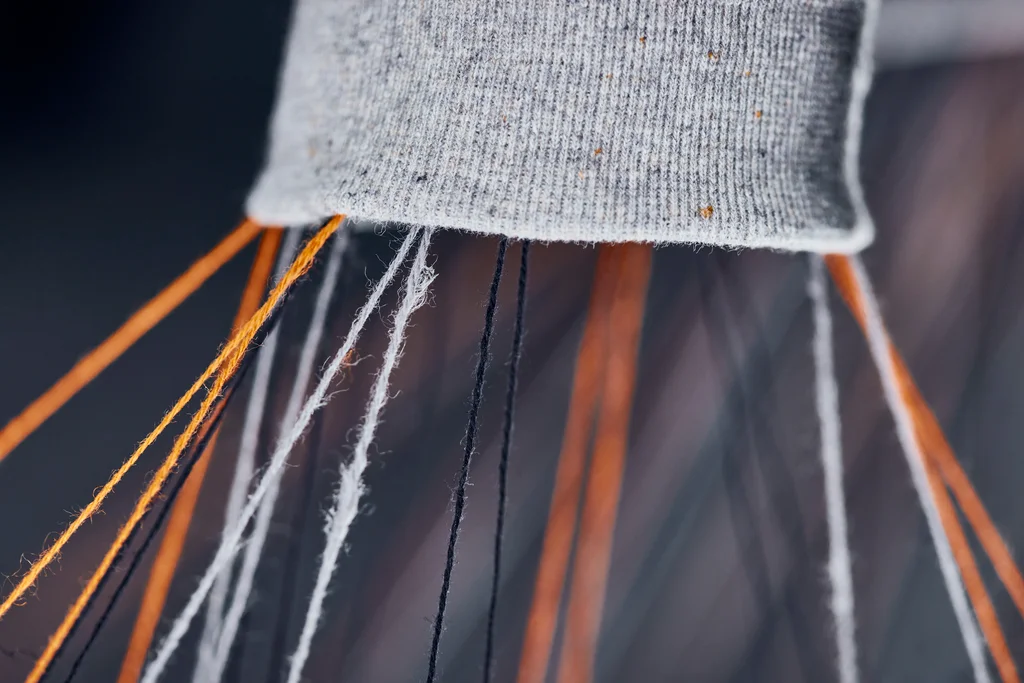
There are two ways to recycle workwear in a closed loop: mechanically or chemically. One of the challenges with mechanical recycling is maintaining the integrity of the fibres over time. But with chemical recycling – a process that is mostly applied to polyester – the material can be recycled almost indefinitely. Through chemical processes, the polyester fibres are broken down to their original building blocks (monomers), which allows them to be repolymerised into new polyester. Chemically recycled polyester is known for its good dyeability and high quality – in other words, it looks, feels, and performs like virgin polyester. The technology is still evolving, but we believe it has great potential for closing the loop on polyester workwear. Fristads’ range features several products made of chemically recycled polyester, both from pre-consumer waste, like leftovers from production, and post-consumer textile from used clothing.

Mechanical vs. chemical recycling​​​​​​​

There are two ways to recycle workwear in a closed loop: mechanically or chemically. One of the challenges with mechanical recycling is maintaining the integrity of the fibres over time. But with chemical recycling – a process that is mostly applied to polyester – the material can be recycled almost indefinitely. Through chemical processes, the polyester fibres are broken down to their original building blocks (monomers), which allows them to be repolymerised into new polyester. Chemically recycled polyester is known for its good dyeability and high quality – in other words, it looks, feels, and performs like virgin polyester. The technology is still evolving, but we believe it has great potential for closing the loop on polyester workwear. Fristads’ range features several products made of chemically recycled polyester, both from pre-consumer waste, like leftovers from production, and post-consumer textile from used clothing.

Dual Products Left Image
Dual Products Mobile Left Image
Dual Products Right Image
Dual Products Mobile Right Image

More content for you:

EXTEND THE LIFE OF YOUR WORKWEAR

Get the most out of your workwear by signing up for Fristads’ comprehensive circular service offering – Repair, Reuse and Recycle.
​​​​​​​
​​​​​​​

Read more >

FRISTADS SAYS NO TO PFAS

Follow our progress as we actively phase out the “forever chemicals” PFAS. Already, most of Fristads’ products are PFAS free.​​​​​​​
​​​​​​​


Read more >

PIONEERS IN SUSTAINABILITY

Find out how our sustainable service offering works in practice for some of our customers who were early adopters.
​​​​​​​
​​​​​​

Read more >